Genesis 2-3
12 Dec 2025 - Theology
Second Creation Story?
Two Creation Stories
| Genesis 1 | Genesis 2 |
|---|---|
| God (Elohim) | Lord God (YHWH/ Adonai Elohim) |
| God uses words to create | The Lord forms and plants |
| God is distant | The Lord is close and physical |
| Mentions Sabbath/ rest | No mention of Sabbath/ rest |
Chiasm:
- Genesis 1 - first creation story
- Genesis 2:1-3
- Genesis 2 - second creation story
Genesis 2:2 - “By the seventh day God completed His work which He had done, and He rested on the seventh day from all His work which He had done.”
2 Trees:
- Tree of Life - in the middle of the garden
- Tree of Knowledge of Good and Evil - maybe in the middle of the garden?
4 Rivers:
- Pison
- Gihon
- Hiddekel/ Tigris
- Euphrates
The Lord God says it is not good for man to be alone (18), and then brings animals to Adam.
Genesis 2:20 - “… but for Adam there was not found a help meet for him.”
The Lord God plans to create a “help meet” or helper for the man (18, 20). The Hebrew phrase used is Ezer K’negdo.
Ezer means a powerful role of strength, aid, and leadership, not a passive or subordinate role. K’negdo implies opposition in the sense of being a direct counterpart or equal.
Woman is the equal help that opposes
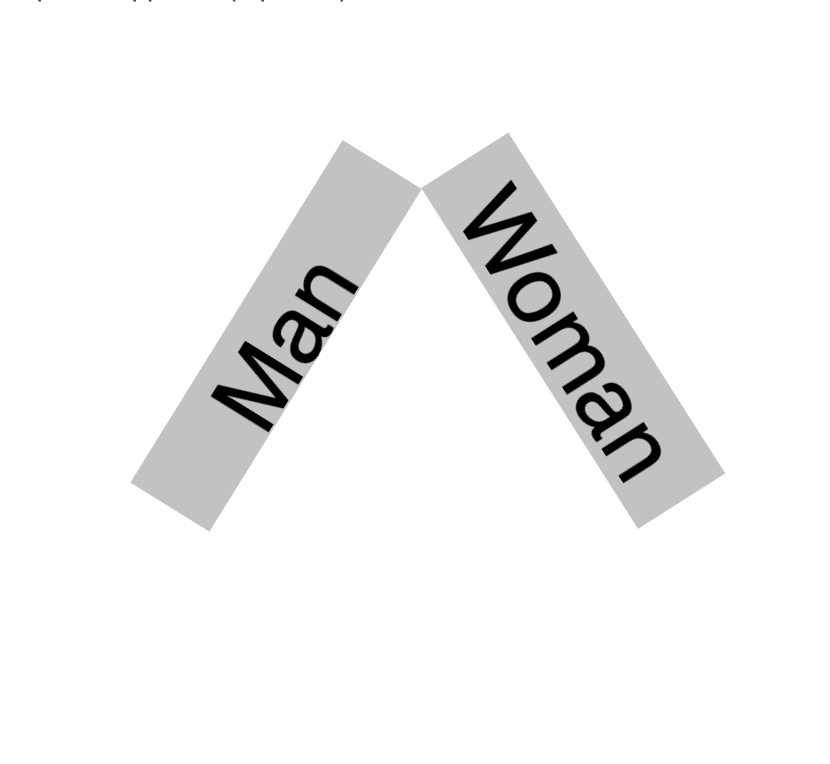
Humankind:
- Man = Ish
- Woman = Isha
Genesis 3
It is interesting to me that there are two different names for God used in the two creation stories. The first story in Genesis 1 uses only the name “God” (Elohim), but the second story here in Genesis 2-3 uses only the name “Lord God” (Adonai Elohim). So then it is even more interesting to me that the only time we see the name “God” in this second creation story is when the serpent tempts Eve (3:1-7)!
The word for “God” in Hebrew is el, which literally means “power”. This is a name used especially of the Almighty but can also be used of any deity as “god” (lowercase g). In the first creation story, God is the One who is distant, who spoke to create. Here in the second creation story, the Lord God is the One who is close and physical, the one who forms and who plants, and the one who walks in the garden.
It seems to me that this naming of God by the serpent was intentional. Was the serpent trying to make Eve believe that the one true God was like every other god of polytheism - that God was distant and not present there with them? We see based on Eve’s response in verse 3 that Eve then uses the name God after she is tempted - she takes the bait of the serpent and then disobeys what the Lord God had said. I believe that this is the primary way we are tempted to sin today, by buying the lie that God is distant, and that He does not see us or care for us. It is then that we believe we must care for ourselves.
Problems:
- talking snake (3)
- Eve adds to the description of the tree that it is desirable for gaining wisdom (6)
- Emphasis on nakedness
- Lord God walks in the garden in the cool of the day (8)
- Eve adds to the command of the Lord God that she can’t even touch the tree (verse 3), compared to the command to man at Genesis 2:17
- The serpent says man would be like gods if they ate the fruit (5), but man was already made in His image in likeness
- God says man would die if they ate the fruit (2:17), but they did not physically die
What kind of God would set this situation up in the first place? Like a parent and child, this seems irresponsible. If you tell a child not to do something, he is likely to do it.
Why is nakedness suddenly a problem? Man was naked from the beginning.
Second Creation Story
| Beginning | End |
|---|---|
| Man is alone | Man (Adam and Eve) are alone |
| Man names woman | Man names woman Eve |
| Snake was introduced | Snake was cursed |
Chiasm:
Genesis 3:7 - “And the eyes of them both were opened, and they knew that they were naked” …
Repetition:
- Naked - “arowm”
- Nakedness - “erowm”
- Crafty/ shrewd - “eruwm”
What does it mean to be human?
- Ability to reason? The snake was reasoning
- Ability to talk? The snake was talking
- Ability to walk? The snake was walking, only later was it cursed to slither
When Adam was alone, the Lord brought animals to him. But the animals were not enough for companions, because man (humankind) is not a beast. The difference is that man is made in the image of God, but what does that mean?
A beast is always going to act on its desires. One name for God is “El Shaddai”. The Talmud defines this as “the God who knows when to say enough”. When God created the world, He knew when to stop. God called creation “good” or “very good” not “perfect”.
References
- The Hebrew - Greek Key Study Bible (KJV Version)
- The BEMA Podcast, Episode 2: Knowing When to Say “Enough”
- The Torah Portion-by-Portion by Rabbi Seymour Rossel (2007)